Promoting Children’s Right to Mental Health in Schools and Communities
Empowering children, families, and communities to champion mental health as a fundamental right through education, advocacy, and collective action.
Mental health is a fundamental human right and an essential foundation for every child’s growth, well-being, and dignity. During childhood and adolescence, positive mental health supports learning, healthy relationships, resilience, and the ability to fully participate in family, school, and community life. Yet many children continue to face challenges such as violence, bullying, poverty, and family-related stress, all of which can significantly affect their emotional and psychological well-being.
Recognizing these realities, the Association for the Rights of Children in Southeast Asia (ARCSEA) is implementing the “Promoting Children’s Right to Mental Health in Schools and Communities” project in the municipalities of Jalajala and Tanay, Rizal. The project seeks to strengthen community awareness, empower local stakeholders, and promote children’s right to mental health through education, advocacy, and community action.
Guided by the Philippine Mental Health Act of 2018 and the Basic Education Mental Health and Well-Being Promotion Act of 2024, the initiative aims to bridge the gap between national policies and community-level implementation by equipping children, youth, parents, teachers, and local leaders with the knowledge and skills needed to foster safe, supportive, and mentally healthy environments.
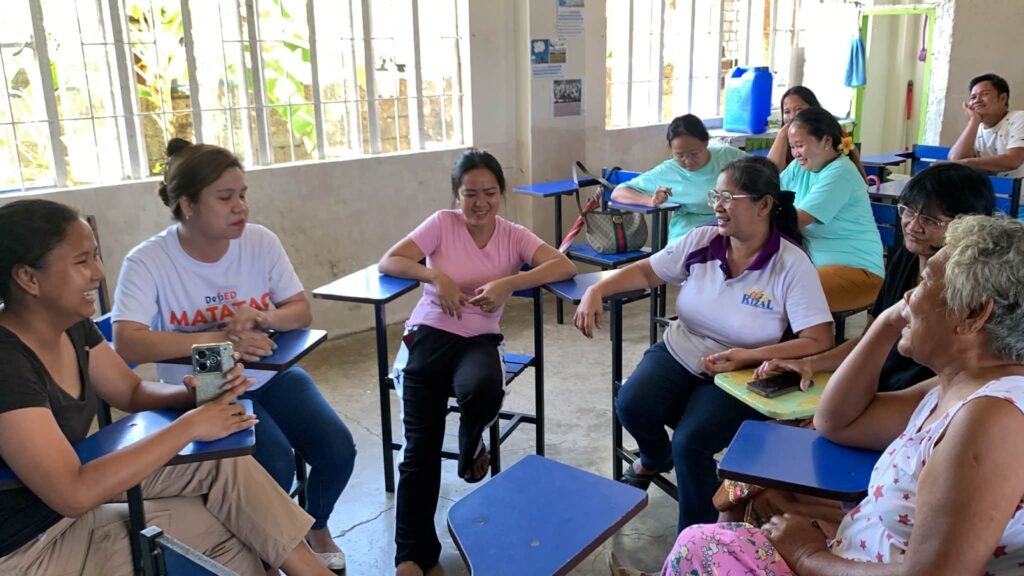
The project begins with Focus Group Discussions (FGDs) involving youth, parents or guardians, and teachers. These discussions provide valuable insights into community perceptions, experiences, and understanding of children’s mental health. The findings serve as the foundation for developing responsive learning materials and project activities that address the specific needs of the participating communities.
Building on these insights, selected youth and adult participants will take part in a two-day Community Awareness-Raising Seminar and Poster-Making Activity. The seminar promotes intergenerational dialogue while providing participants with a deeper understanding of child development, common mental health concerns among children and adolescents, and the recognition of mental health as a fundamental right. The poster-making activity encourages participants to creatively express their commitment to promoting mental health awareness within their communities.
To ensure that awareness leads to sustained community action, the project will establish Community Support Groups composed of trained youth and adult advocates. Through two intensive capacity-building workshops, these peer-led groups will develop the knowledge, leadership, and facilitation skills necessary to promote mental health, create safe and supportive spaces for children and young people, and serve as local champions for children’s rights.
Recognizing that protecting children’s mental health requires collective action, the project will also facilitate dialogues with key local stakeholders, including the Municipal Health Office and Municipal Social Welfare and Development Office. These engagements aim to strengthen collaboration, integrate mental health initiatives into existing local programs, and support the long-term sustainability of community-led efforts.
As the project progresses, the trained Community Support Groups will conduct mental health awareness sessions in schools and communities, extending the project’s reach to more children, youth, parents, and educators. These peer-led activities provide participants with opportunities to strengthen their advocacy skills while encouraging wider community conversations on children’s mental health and well-being.
Finally, interim and terminal evaluation activities will be conducted to assess the progress of the Community Support Groups, document lessons learned, celebrate achievements, and identify opportunities for improvement. These evaluations will help ensure that the project remains responsive to community needs while strengthening future mental health initiatives.
Through education, advocacy, collaboration, and community leadership, Promoting Children’s Right to Mental Health in Schools and Communities seeks to contribute to communities where every child feels safe, supported, heard, and empowered to thrive. By strengthening local capacity and promoting a rights-based approach to mental health, the project works toward a future where children’s mental well-being is recognized not as a privilege, but as a fundamental right that must be protected and upheld by everyone.